



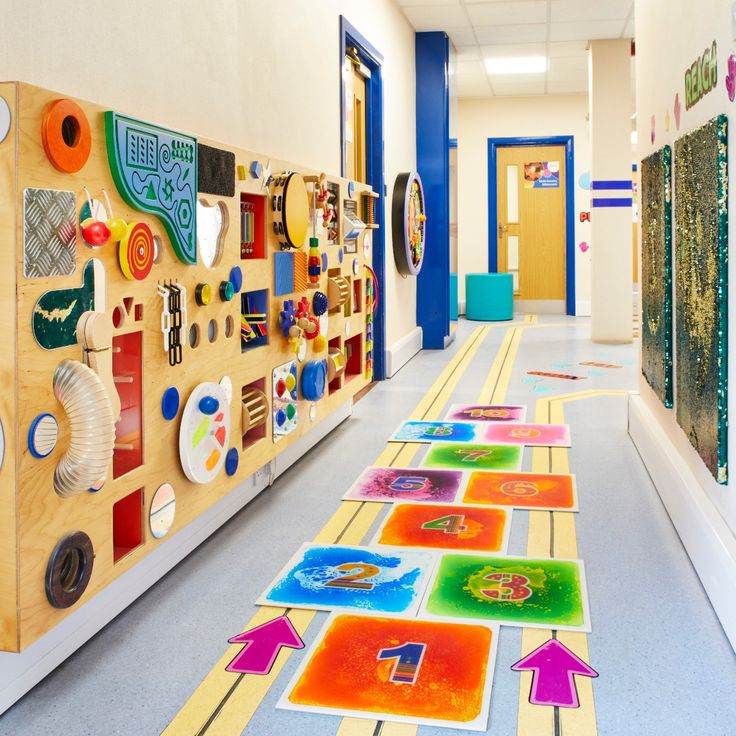



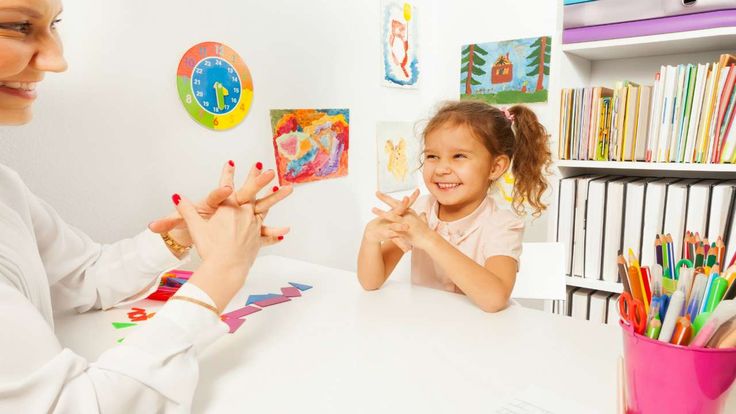
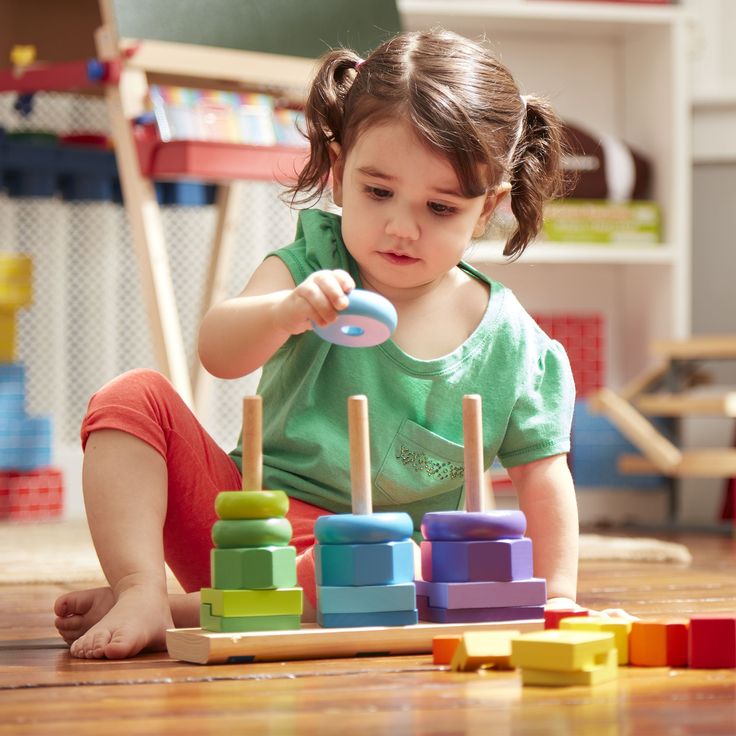



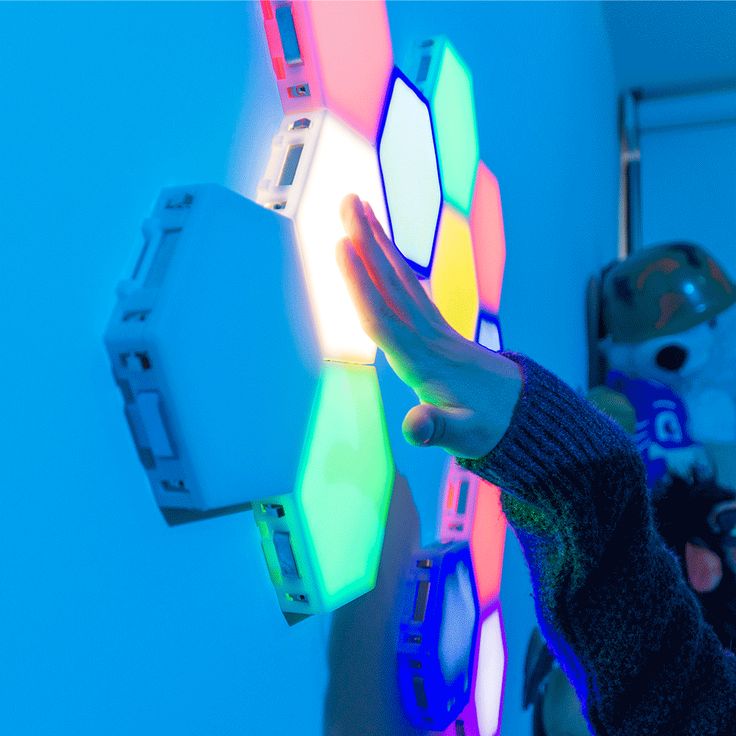



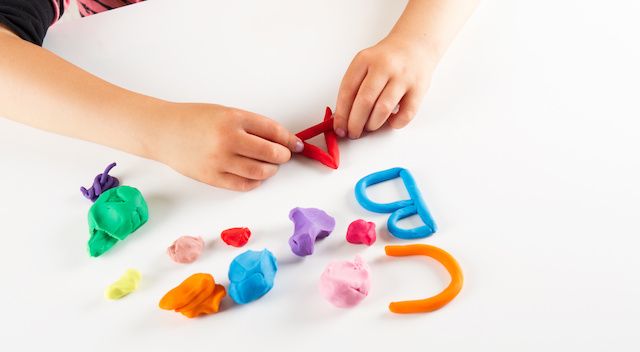
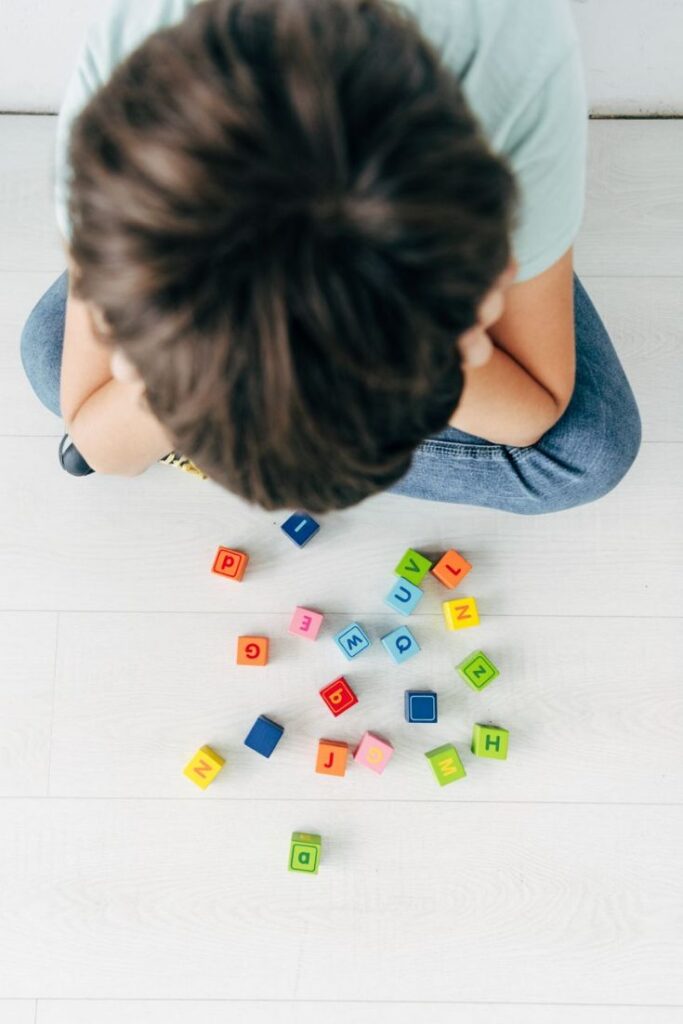
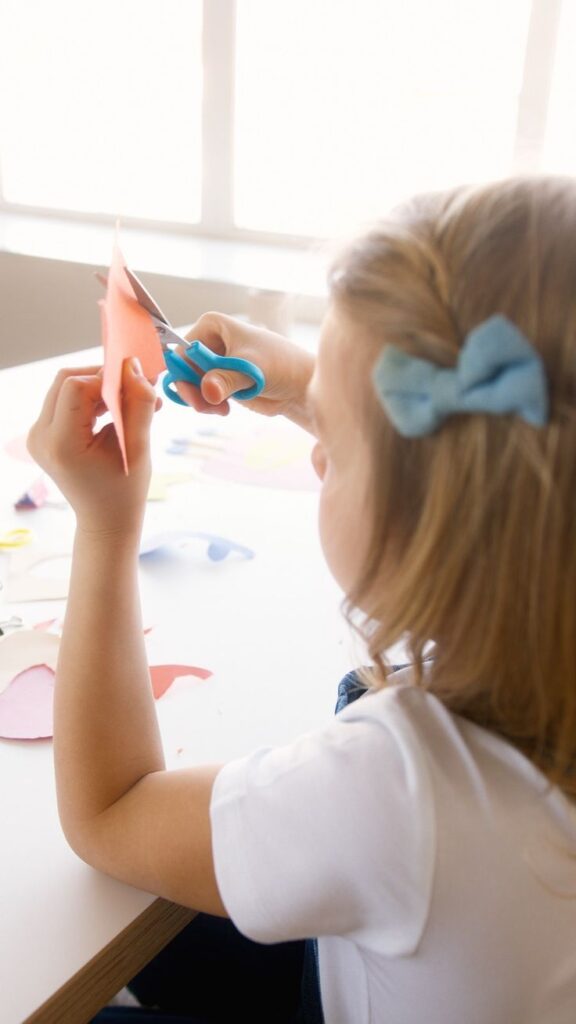



‘‘Doctor Kidz’’ is one of the leading development centre in karaikudi and sivaganga district established to address the developmental and clinical needs of children who would require therapy for any of the following disorders. Founded in aug 2023
When it comes to the well-being of our little ones, finding the best pediatric occupational therapists in KARAIKUDI becomes a top priority. These specialists play a crucial role in helping children develop and enhance their motor skills, sensory integration, and overall functional abilities. In this pursuit, DOCTOR KIDZ renowned for its exceptional pediatric care.
With a team of highly skilled and experienced professionals, doctor kidz development centre has garnered a reputation for providing top-quality pediatric occupational therapy services in karaikudi . Their therapists are dedicated to tailoring individualized treatment plans that address each child’s unique needs and challenges. By employing evidence-based techniques and utilizing specialized equipment, they ensure that the therapy sessions are effective, engaging, and enjoyable for the children.
Located in karaikudi doctor kidz development centre has conveniently positioned its services to cater to families across sivaganga dt. Their commitment to delivering comprehensive care extends beyond just therapy sessions. The centre fosters a supportive and nurturing environment, ensuring that both children and their families feel comfortable and encouraged throughout the treatment process. If you are seeking the best pediatric occupational therapists in karaikudi, doctor kidz development centre stands as a beacon of excellence. With their expertise, compassion, and dedication, they are committed to empowering children to reach their full potential and thrive in all aspects of life.
TREATMENT/INTERVENTION
RECEPTIVE LANGUAGE (UNDERSTANDING LANGUAGE)
What is Receptive language?
Receptive language means understanding symbolic meaning. Simply put, instances like:
Dad holding his keys means that we are going out
Red light means stop
Siren means ambulance
Everybody sits over dining table means that we are going to have food
Waiting for my turn if someone is occupied swing in the park
Change in voice tone implies that its anger
Circle shape red color fruit is Apple
Concept: Based on colour, Shape, textures
Special Education Centre In KARAIKUDI
doctor kidz helps as an effective remediation/ Early intervention program for students in 1 to 6 age group . We will exactly identify kids’ strengths and weaknesses and provide targeted handling of prerequisite skills. Through personalized instruction, doctor kidz fills in any knowledge gaps, while enabling immediate success in learning new material. We periodically reassess students to ensure they retain the prerequisite skills necessary for success in their current grade and beyond.
Aim of Individualized Education Plan (IEP)
Academic support to kids who lag far behind when compared to their academic school performance.
The approach uses no medication or any invasive medical interventions but it is effective in treating many conditions ranging from learning disabilities to stroke recovery. DELAY developmental
Psychological assessment is a process of testing that uses a combination of techniques to help arrive at some hypotheses about a person and their behavior, personality and capabilities
Yoga therapists prescribe specific regimens of postures, breathing exercises, and relaxation techniques to suit individual needs.
Best Autism Therapy centre in karaikudi
Early Identification of Autism
The following delays deserve a speedy evaluation.
By 6 months: If there is no big smile or other delighted expressions
By 9 months: No back-and-forth sharing of sounds, smiles, or other facial expressions
Other features:
How to teach child developmental skills to kids with Autism Parental tips to teach autistic kid:
Instructions within a routine will help the best. Provide a structured environment. Rooms should be free from distractions. Place a daily schedule. If the child is a visual learner you may accommodate the child by using pictures in the questions. Address your child’s sensory issues. Extending therapy sessions to the home help aid therapy session learning. Do not rush the child. Follow the child’s lead to ensure the comprehension of concepts. Each child progresses at his own pace and you must respect this pace. Repetition is keyPay attention to how your child responds to you. Pay attention to your child’s behavior.
How Therapy helps Autistic kids to learn new skills?
Many children with autism have issues with sensory integration. This means the autistic child is frequently loaded with sensory information and lacks the ability to filter out the unimportant information. Loud noises, sticky items, bright lights and huge crowds are enough to cause a tantrum. Sensory Integration Therapy and Occupational Therapy help address the issue. However, these therapies are most effective if you start them while your child is really young.
If the child never verbalizes anything close to how the word is produced, speech therapy would then work on achieving the best word approximations through verbal imitation.
Each child presents different strengths and difficulties. A plan outlines the goals, strategies and services children will receive based on their own needs.
Many children with autism learn well with an appropriate and graded teaching methodology.
Therapy follow stand-over-hand prompting and fading.
Therapy Program needs to focus on transition too because some children with autism have great difficulty with transitions. This means asking kids to switch from one activity to the next can cause a tantrum.
Behavior Therapy should support the therapy program plan(e.g. constant rocking behaviors, hand-flapping, obsessed with certain toys or lines them up and insists on not moving them, makes repetitive motions or repeats the same speech over and over, lacks the desire to play with other kids around her age, and/or if she has an extreme reaction to any sort of the change in her environment, diet or routine).
Attention Deficit Hyperactivity Disorder
Hyperactive Child Therapy centre in Karaikudi
COMMON CLASSROOM PROBLEMS ASSOCIATED WITH ADHD
How Therapy Intervention works with ADHD kids:
Behaviour management inevitably plays an important part in the education of kids with attention and activity problems. Kids with ADHD do not tend to do well with repetitive tasks if the task is not stimulating they might get easily distracted. This means that the therapeutic activity should be sharply defined and highly focused.
ADHD kids often have difficulties with sequencing, concentration/distractibility. this can be handled through Occupational Therapy Approach.
Behavioural Intervention:
Time-out:
This involves the kids being sent to a place where he/she is required to remain for a short specified period (3–5 minutes) when he or she is misbehaving, where he/she will not receive stimulation or attention.
Card Method:
The therapist provides a non-verbal card system as part of this approach, whereby a yellow card is shown to the kids or placed on their desk, as a warning that they are beginning to engage in behaviour that might lead to time-out. A red card is then shown, which means ‘go to time-out’.
Token economies:
This involves the giving of tokens, in the form of points, stickers, or other objects, as rewards for positive rule-compliant behaviour
Group Behavioral Therapy Strategy:
For example
When the Therapist asks the group a question kids are to raise their hands if they know the answer and not speak until asked by the therapist.
The therapist asks the group: ‘Who can tell me the name of an extinct animal?’
Thara calls out: ‘Dodo!’
Therapist ignores Thara’s answer and says to Ram, who has raised his hand: ‘Well done Ram for remembering the raise your hand rule. What’s your answer?’
Parental Tips to handle ADHD kids:
Complex tasks will be made accessible if they are broken down into a small number of short steps or instructions.
It is important that task instructions are concise and clear with as few sub-parts as possible.
Instructions should be presented in a form that will allow the kids to retrieve them if he or she forgets, such as in writing and/or in pictorial form.
Over time the child with ADHD should be encouraged to tackle tasks of increasing complexity.
Kids with ADHD respond well to praise and rewards, which are applied when they achieve the desired target. Small and immediate rewards are invariably more effective than long-term or delayed rewards.
Special Education Centre In karaikudi
doctor kidz helps as an effective remediation/intervention program for Kids. We will exactly identify kids’ strengths and weaknesses and provide targeted handling of prerequisite skills. Through personalized instruction, doctor kidz fills in any knowledge gaps, while enabling immediate success in learning new material. We periodically reassess students to ensure they retain the prerequisite skills necessary for success in their current grade and beyond.
Aim of Individualized Education Plan (IEP)
Academic support to kids who lag far behind when compared to their academic school performance.
Adapt school curriculum and teaching techniques, remedial educator provides learning activities and practical experiences to kids according to their abilities and needs.
Create individualized educational programmes with intensive remedial support to help kids combine their basic knowledge in different subjects, master the learning methods, boost their confidence and improve the effectiveness of learning.
During the teaching process, the educator should provide organized training to develop kids lacking academic skills, including problem-solving, self-management, self-learning, independent thinking and creativity.
The Areas Focused in RE Therapy
Reading Skills
How Remedial Teaching works:
Design appropriate teaching plan to stimulate effective learning.
Different learning activities with same teaching objectives.
Simple teaching activities.
To stimulate personal interest create games or activities.
Real examples before proceeding to abstract concepts.
Simple and easy steps.
More frequent use of teaching aids, games and activities.
Remedial teachers should give kids short and clear instructions to confusion.
Ask kids to repeat the steps of activities.
Summarize the main points.
Teachers can design interesting activities coupled with reward scheme to stimulate kids’ interest.
Pleasurable learning experiences to help kids’ develop interest in learning.
Educators should also carefully observe the performances of kids and give them appropriate assistance, feedback and encouragement so as to help them acquire the learning skills, solve their problems and understand their own capability, thus enhancing self-confidence and improving their learning skills.
doctor kidz Special Education Therapy is exclusively designed for an autistic child to end the regression of disability. Every child has to perform certain occupations/activities at a certain age. If a child shows no interest in some form of occupation, then the child needs special attention and care.
The ASD Child have a disability in nurturing as a complete person. The emotional well-being of these children is delayed when compared to a healthy child. Special Education Therapy is completely a tailor-made program to help an autistic child to nurture their delayed development of mental, physical, social, and emotional health.
Our special educator take special care in the assessment plan for a child with autism. i understands the importance of the assessment as it decides to set a goal of making the ASD child nurture better. Special Education designed by doctor kidz is a holistic approach which connects every responsible person of the child to work as a team and help the kid to surpass the delayed development at every stage of the age progression.
The classroom environment of a normal child does not fit in the aspects of a child requiring Special Education Therapy. Therapists from doctor kidz create the training room ambience that encourages ASD children to take part in all organized activities. Special Education is a result-proven technique to enrich the kid’s growth leading to sharing their physical and emotional well-being with other peers like every normal child.
Sensory Processing Disorder:
Sensory processing is an internal process of the nervous system which helps us receive, organize and understand sensory information from both the environment (auditory and visual input as well as taste and smell) and from within our bodies (touch, movement and joint Receptors).To put in simple words: to identify a toy car: the color, size, function etc. are needed to be recognized. Efficient sensory processing enables us to participate fully in everyday activities and respond to environmental demands and adequately engage in our daily routines and roles.
There are a lot of variations when it comes to sensory processing one being more attracted to things and the second being exactly opposite –avoiding any object, third being sensitive where they are not totally inclined but can accept a little ( for example: it’s okay if there is sound but when it is intense, the child cannot handle).
That is:
Sensory seeking, e.g. may be on the move touching everything
Sensory avoiding, e.g. may seem withdrawn, reluctant to move, climb, etc., avoid touching things, getting messy, etc.
Sensory sensitivity, e.g. oversensitive to sound and/or touch, and easily irritated
Vestibular processing skill (Balance)
Therefore, to bring a child to balance on its own requires bringing in awareness of the body. A child might walk comfortably in the ground but when he/she has to stand on a stair/ play a see-saw in the park then they will very afraid and would try to avoid that situation.
Inadequate sensory processing of vestibular input
A disturbance in the sensory processing leads to hindrances in performing the functions efficiently. There are certain clues through which the inadequacy can be identified. We need to understand that they are two different sets in every input avoiding and seeking.
How do we identify:
First, let’s look at -Sensory avoiding:
Child avoids activities that include strong movement experiences. Such as hanging upside down on a monkey bar, lying back on a piece of equipment that rocks or it is otherwise unstable. A child who needs to hop, step on a swing to sit on it will clearly avoid it.
Next, Sensory seeking:
A child continues to seek the activities which involve extra movement (for example; a child might prefer to sit on a swing rather than a chair) as an effort to “fuel” their brain with meaningful information.
Touch processing skill:
Touch as the name suggests it is related to feeling something with the help of the body.
Inadequate sensory processing of touch input can be identified through certain actions such as:
A child might put things in mouth, chew sleeves/ pencils or bite self
Seek out messy play/activities/textures
Unaware of food/paint on hands/ face
Have difficulty to keep the place clean and tidy
The child will not notice if clothing is crumpled or inside out
Show a preference for tight clothing and items that are too small
Lack of awareness of injury – may not notice cuts/bruises
Be unaware of touch from others or objects unless intense, frequently hurt other children when playing, e.g. can stand on someone’s foot without noticing
When the child is seeking touch:
Prefer intense flavours and textures of food, e.g. spicy, sweet, and sour
Have limited awareness of personal space of self and that of others—tend to invade the personal space of others
Sit too close to other children during playtime
Auditory Processing:
Auditory processing is an important foundation for the development of language skills and plays an important role in classroom performance and peer relationships.
How it can be identified?
Appear confused or inattentive.
Randomly rush into tasks
May take a long time to respond to directions and to complete tasks.
Over respond to competing for noise in the environment
Difficulty in following several instructions or will require extra effort.
Find it hard to focus on work when there is a lot of noise
Dislike noisy places such as a park or theatre
Be distractible and have poor concentration
Cover their ears or scream at certain noises
Not respond to voices, even in a quiet environment
Appear not to hear
Appear oblivious to what is going on around them
Need instructions to be repeated
Love excessively loud noises
Proprioceptive processing issues:
In simple terms, Proprioception helps us move.
How it can be identified?
Body movements would be slower, clumsier, and involve more effort.
Difficult to button clothes, screw a lid on a jar, or remember which way to turn a bottle knob
Difficulty in walking downstairs
Difficulty in doing any task when they cannot see it with their eyes.
Be constantly ‘on the go’ and fidgeting, rock on a chair and balance on two legs of the chair
Have low muscle tone
Become easily frustrated
Seek out physical contact/ hugs
Press too hard or too lightly with a pencil when writing
Drop things or overshoot when pouring
Use too much or too little force with actions
Bump into others/furniture/doorframes, etc.,
Sensory Integration Therapy/Treatment Intervention
How does Therapy help?
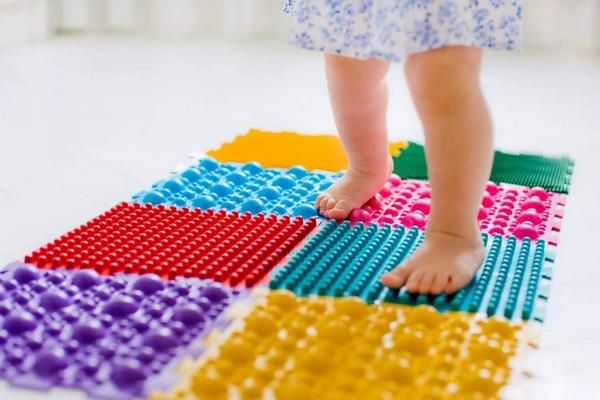
Therapy strategies to improve tactile discrimination: less challenging textures and building from this to allow the child to control the level of contact and stop when she needs to. For children who are less aware of touch and maybe touch seeking, there is a need to help develop discriminative ability.
Encourage the child to explore different textures on his skin, e.g. paint brushes, liquid soap.
Dress up in different clothing, e.g. silk, fur.
Play with different textured objects and ask the child to identify different features, e.g. hard/soft
Feely box—hide objects in rice/sand/ and ask the child to find them.
Therapy strategies for sensation avoiding
Prepare the child in advance of changes in position; break down the task into achievable steps.
Grade the activity to build up the child’s tolerance of movement gradually.
Allow the children to lead the activity at their own pace to prevent adverse reactions.
Therapy strategies for sensation seeking
Incorporate movement activities into the child’s daily life, e.g. trampoline jumping, running.
Give the child regular movement breaks throughout the day.
Allow the child to regularly change position (floor sitting, sitting on a chair, standing, lying on the floor, kneeling)
Activities that require rapid anticipation of movement also help to teach motor planning
Start with slow, rhythmic movements and gradually increase the speed and postural demands.
Jump over Trampoline
Swing Play
Slide play
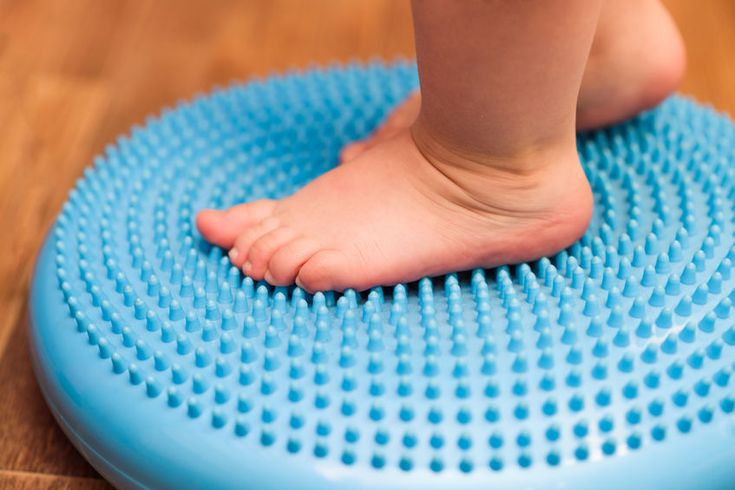
Balance board activities
Evaluation and Treatments
Evaluation
Our evaluation assesses a child’s gross motor skills, fine motor skills, visual motor skills, handwriting skills, daily living skills, oral motor skills, and sensory processing skills. The use of standardized assessment tools, non-standardized assessment tools, parent interview, and clinical observations are done to assess the child’s performance.
Treatment
Our Therapist provides intervention that helps children to develop appropriate social, play, and learning skills. The therapist aids the child in achieving and maintaining normal daily tasks.
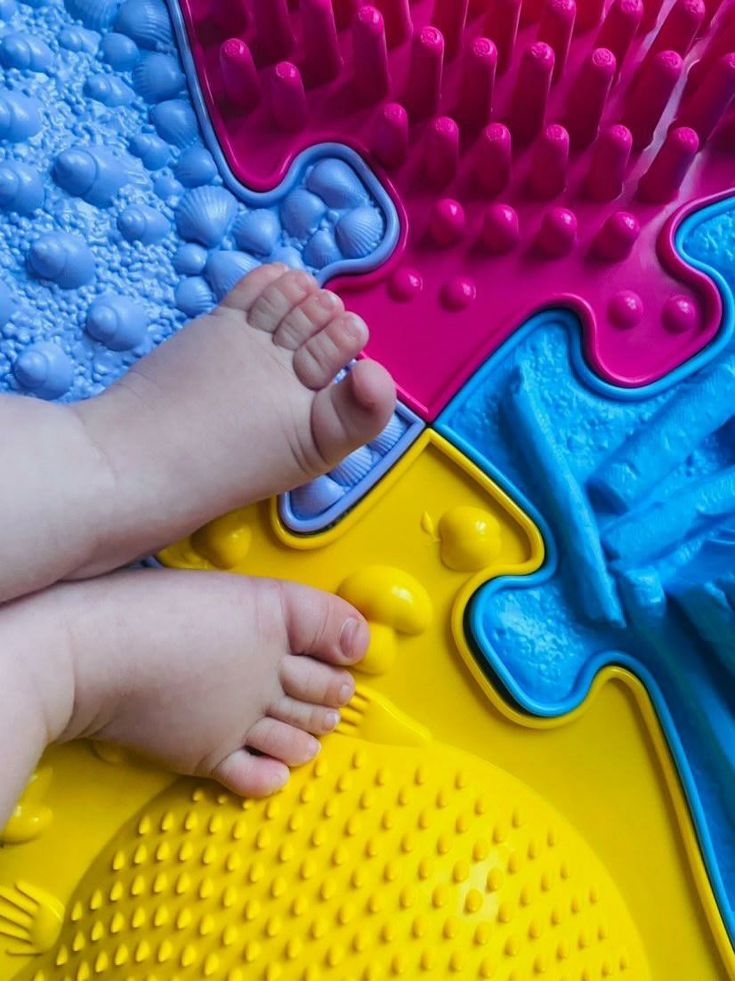
Treatment focuses mainly on sensory integration therapy, which includes vestibular, proprioceptive and tactile stimulation.
Benefits
Benefits out of our Treatment
Children with the following medical problems may benefit from our treatment
Cerebral Palsy
Sensory Processing/Integrative Disorders
Dyslexia
Attention Deficit Hyperactive Disorders
Autism and Related Disorders
Developmental Co-Ordination Disorder
Developmental Delay
Down syndrome
Juvenile Rheumatoid Arthritis
Orthopedic Problems
Birth Injuries Or Birth Defects
Spina Bifida
Hydrocephalus
Other Neurological Deficits etc….
Our vision to create an environment where you are at the heart of psychological services has come to life with our development centre
Your care here is personal and comprehensive.
Always evidence-based, we develop tailor-made therapeutic plans for you by considering the difficulties you are currently experiencing alongside any personal, work-related or social factors.
Where appropriate, we liaise with other Consultants to ensure a holistic approach to your child care.
We provide therapy in context resulting in more effective outcomes for your kid.
If you are currently unsure whether psychological services are right for your kid, take a look at the Self-assessment and Client experience pages, which are designed to help you with this decision.
Together we work in a relaxed friendly atmosphere for either short- or long- term therapeutic sessions. Your contribution will guarantee an adventurous and rewarding journey through the world of thoughts, emotions and behaviour.
Psychological assessment
A process of using a combination of techniques and tools (e.g. interview, behavioural observations, measures and questionnaires) to help assess behaviour, personality and capabilities, which can be used to refine a diagnosis and plan treatment.
Neuropsychological assessment
A comprehensive assessment that covers a range of cognitive domains, including intelligence, learning, memory, receptive and expressive language, visuo-spatial reasoning, motor functioning, executive functioning and psychopathology which can be used to refine a diagnosis, plan treatment, or establish a baseline against which improvement or deterioration can be compared.
Psychological treatment
A therapeutic process that can help people understand their feelings, thoughts and behaviours and how to take control over them in order to respond with effective coping skills in challenging situations.
Rehabilitation therapy
An intervention that can help people understand their cognitive, emotional and behavioural difficulties following damage to the brain and help them find ways to work around these problems in their everyday life.